Let Me Teach Your Class! The Power of Modeling for Teachers
What 14 classrooms in the Yukon reminded me about teaching and professional learning
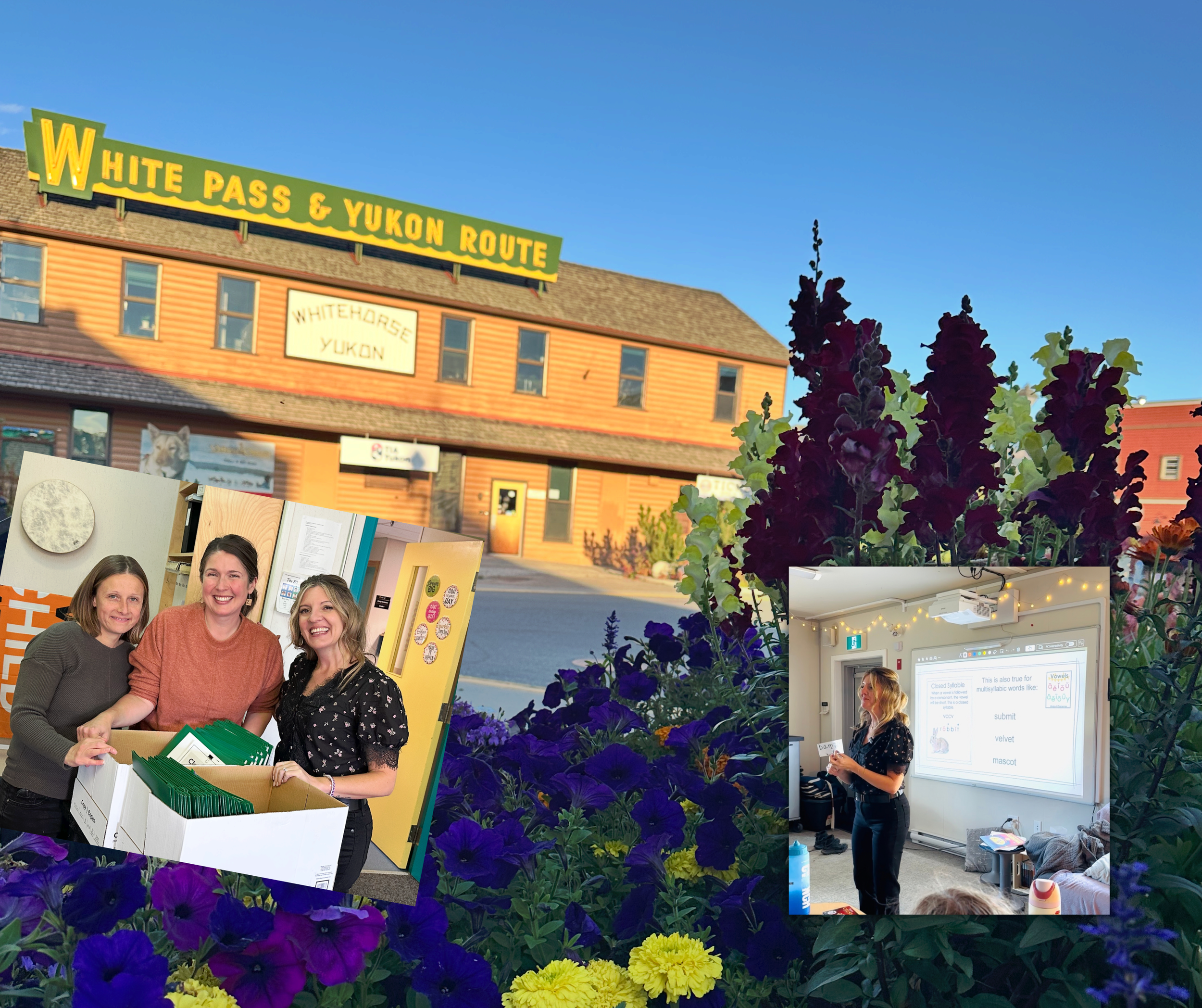
Four Days. Nine Schools. Fourteen Classrooms.
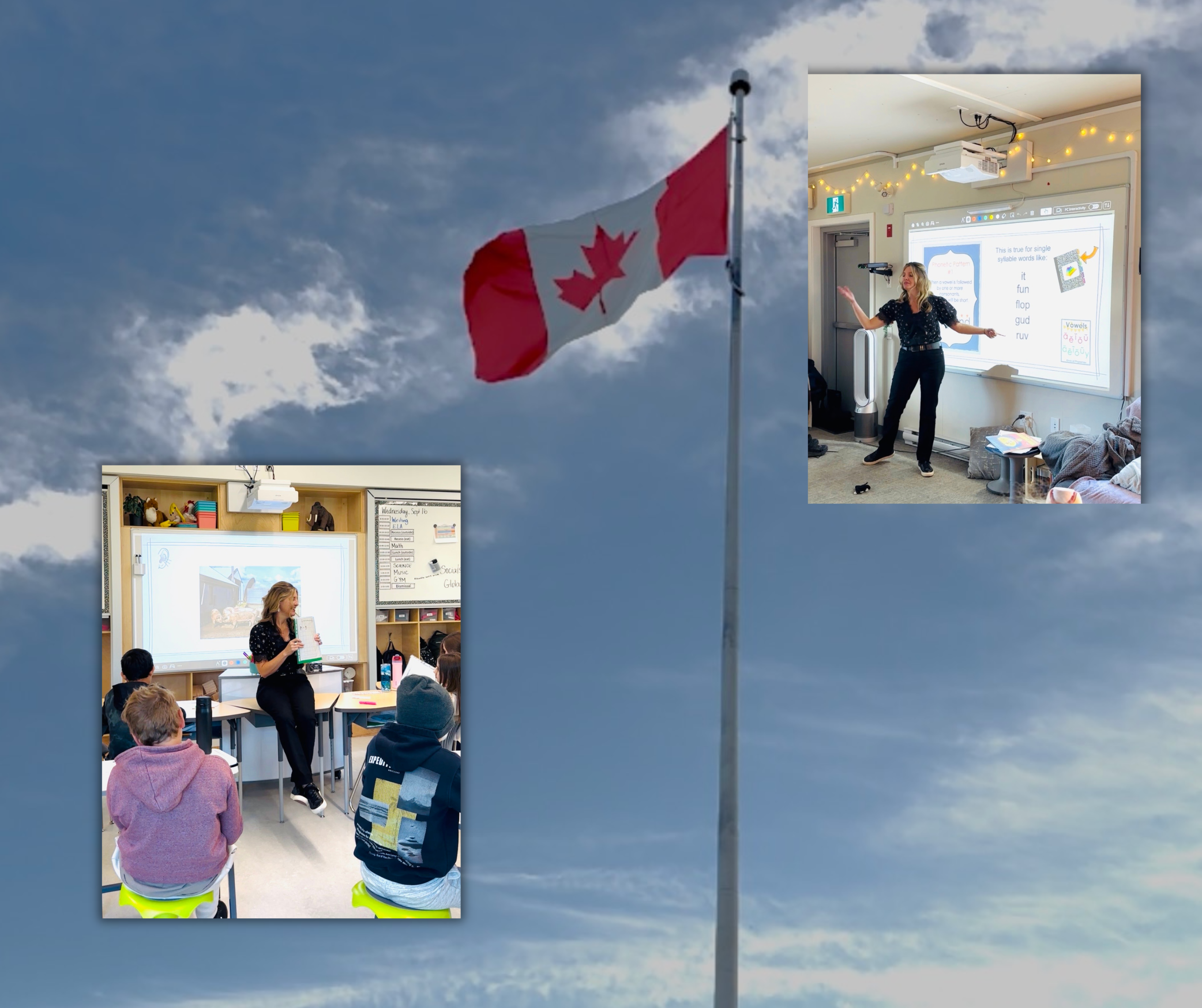
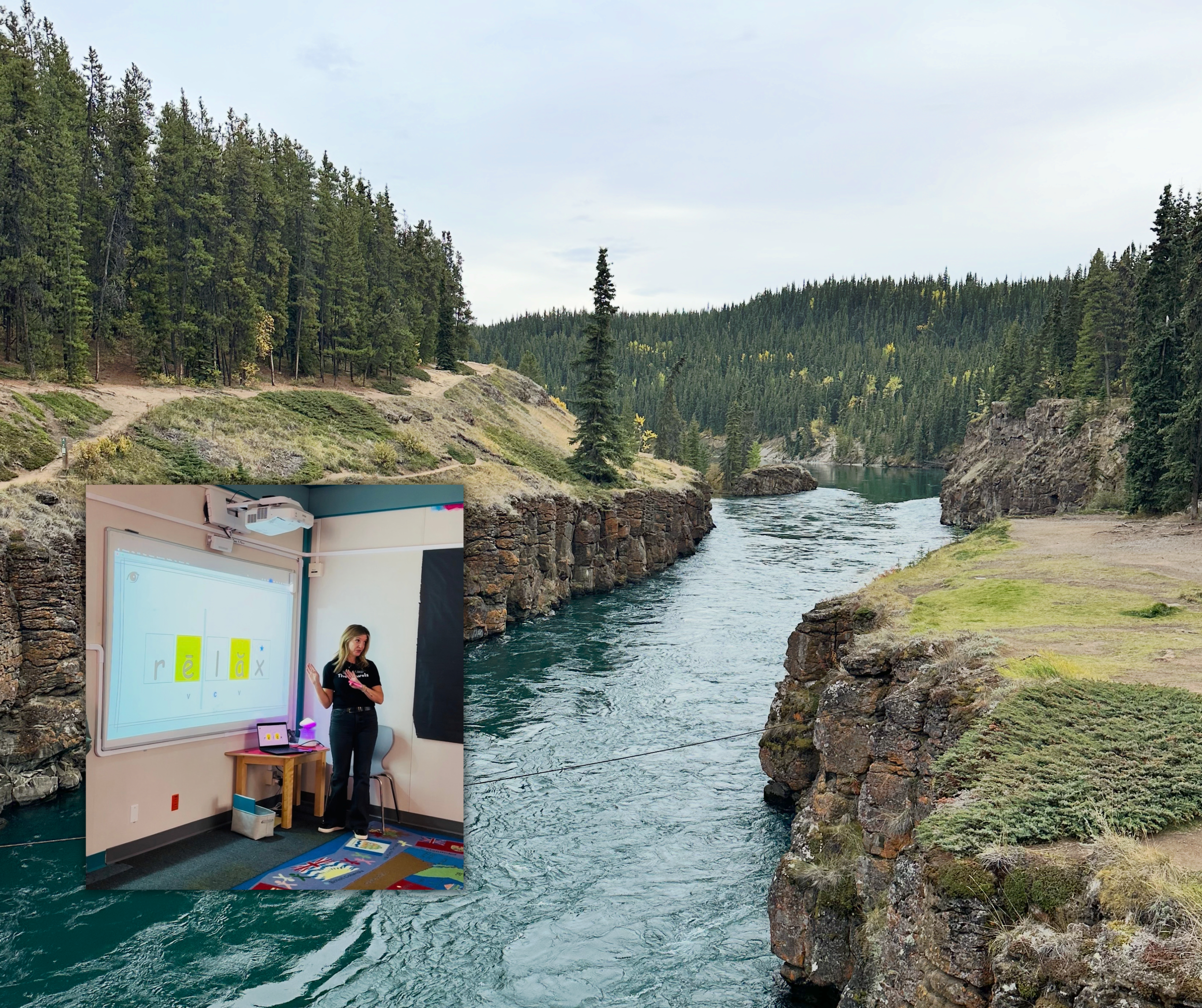
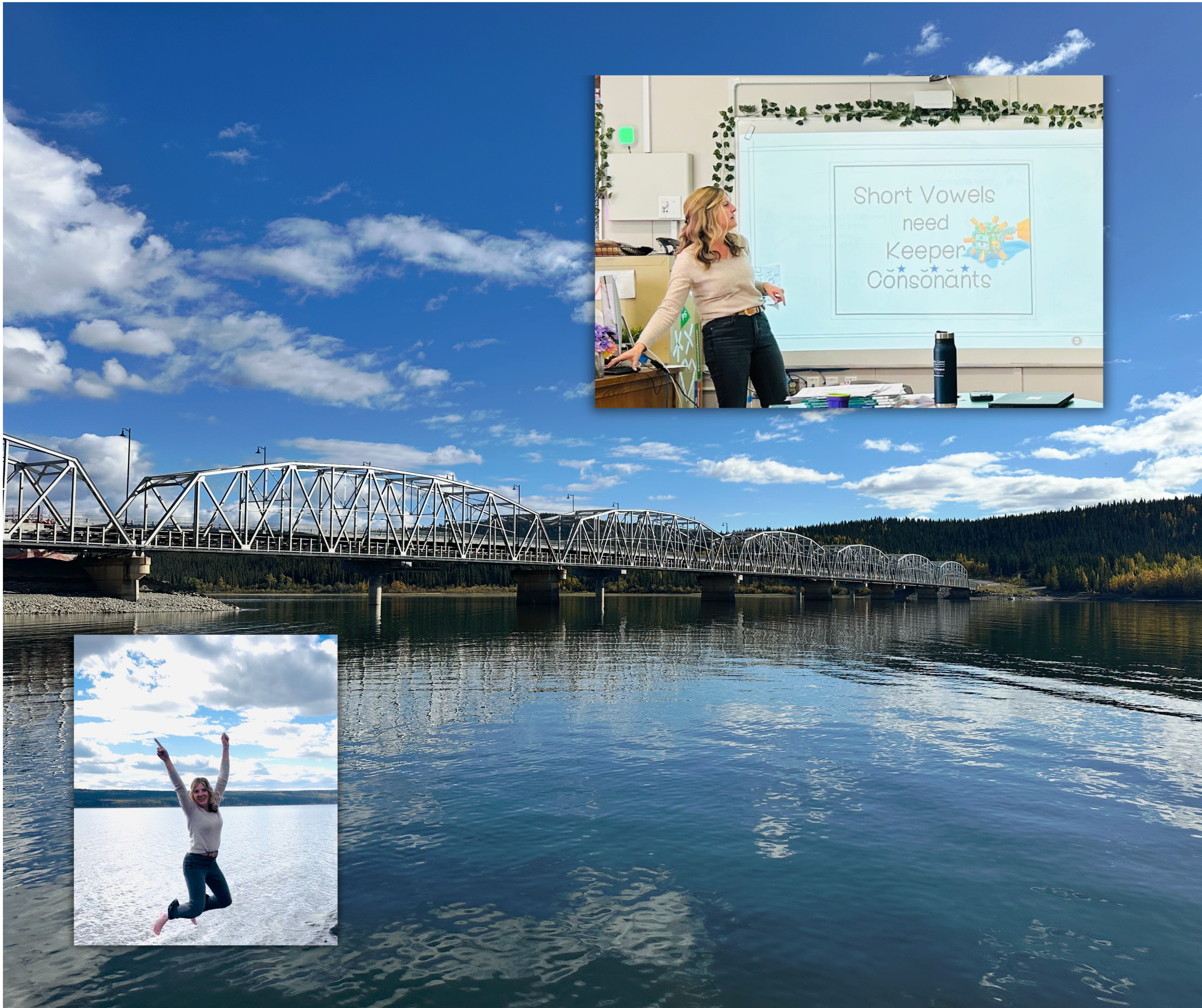
I recently returned from a week in the Yukon, Canada, where I had the opportunity to do something I love… I taught kids.
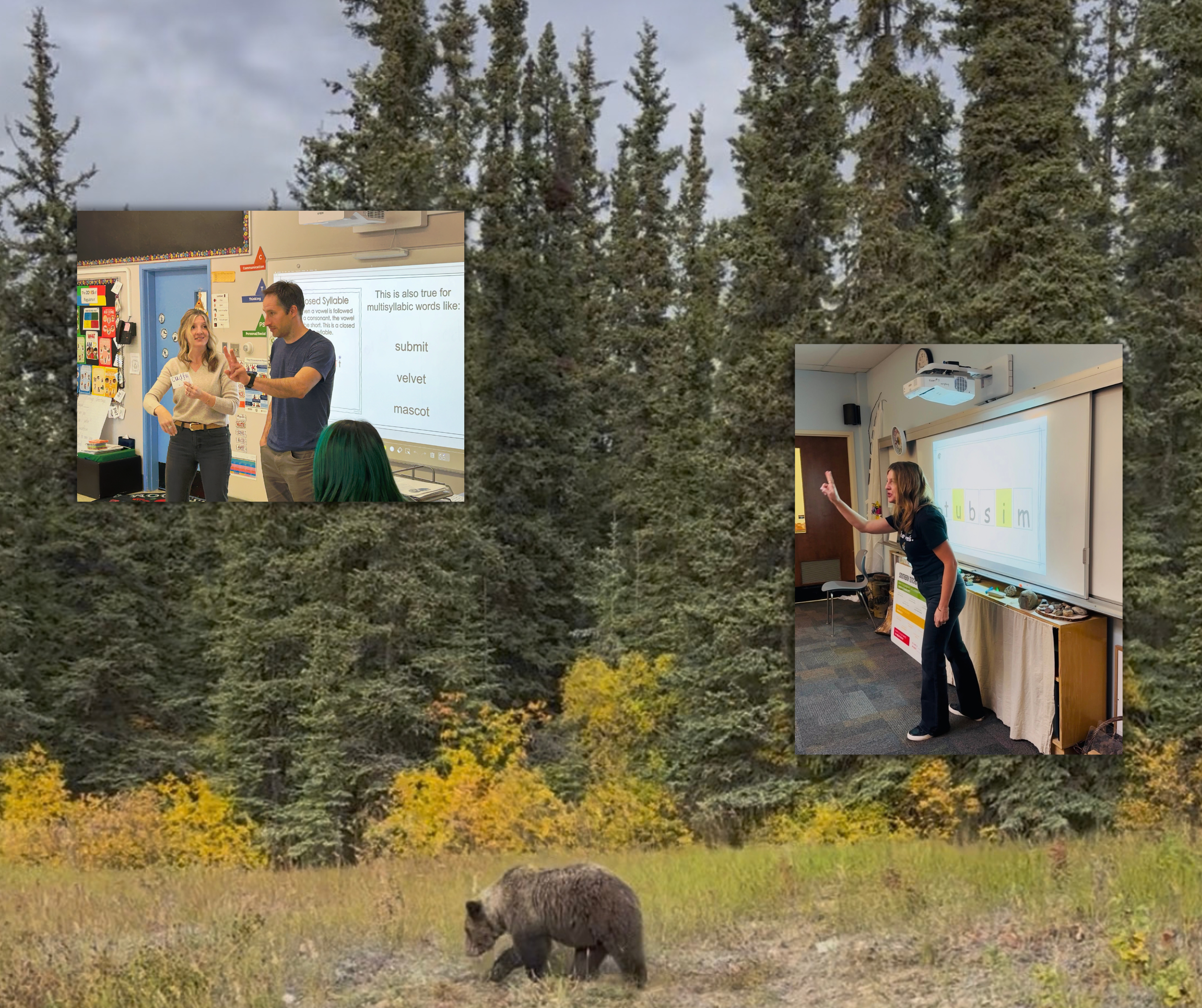
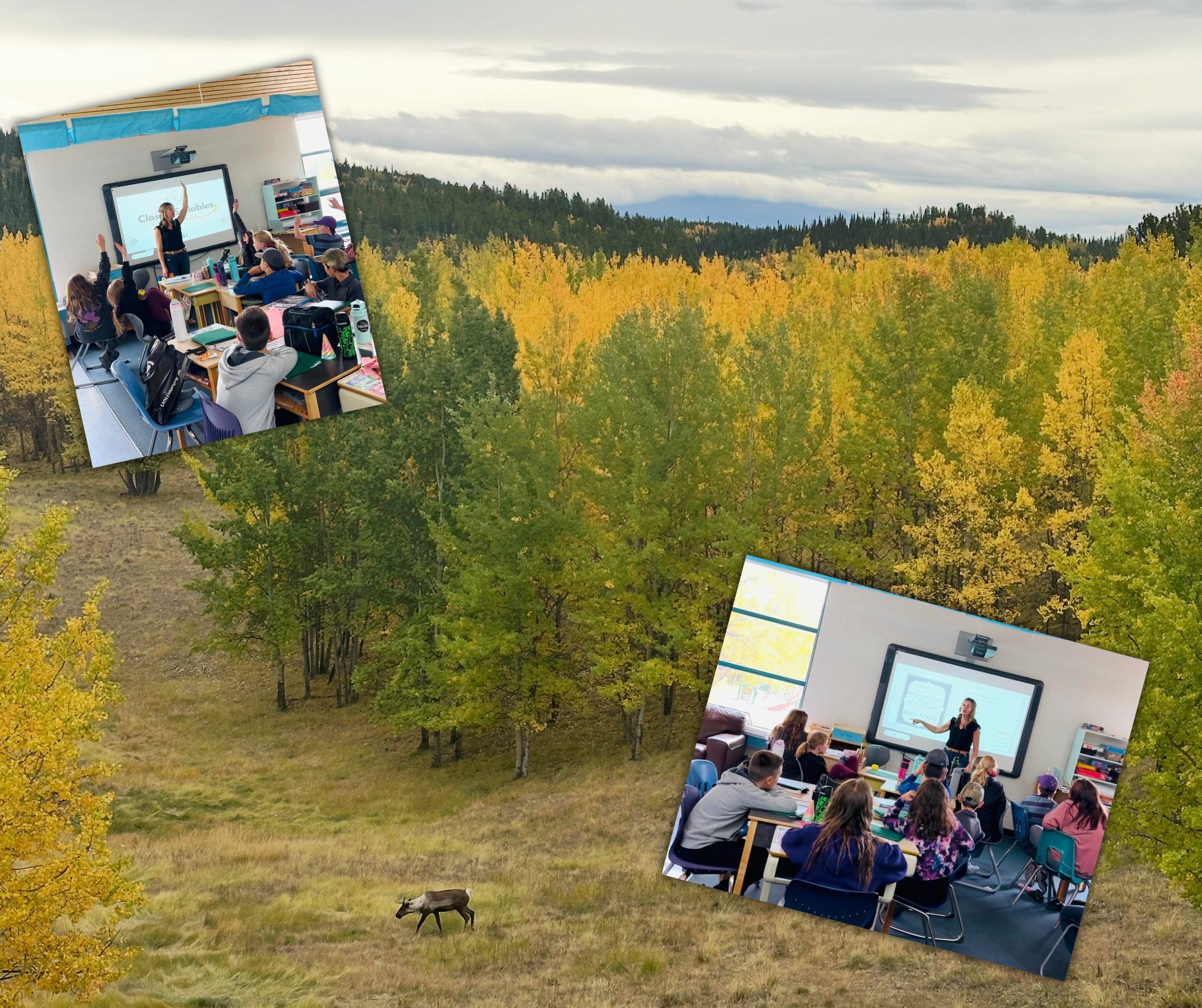
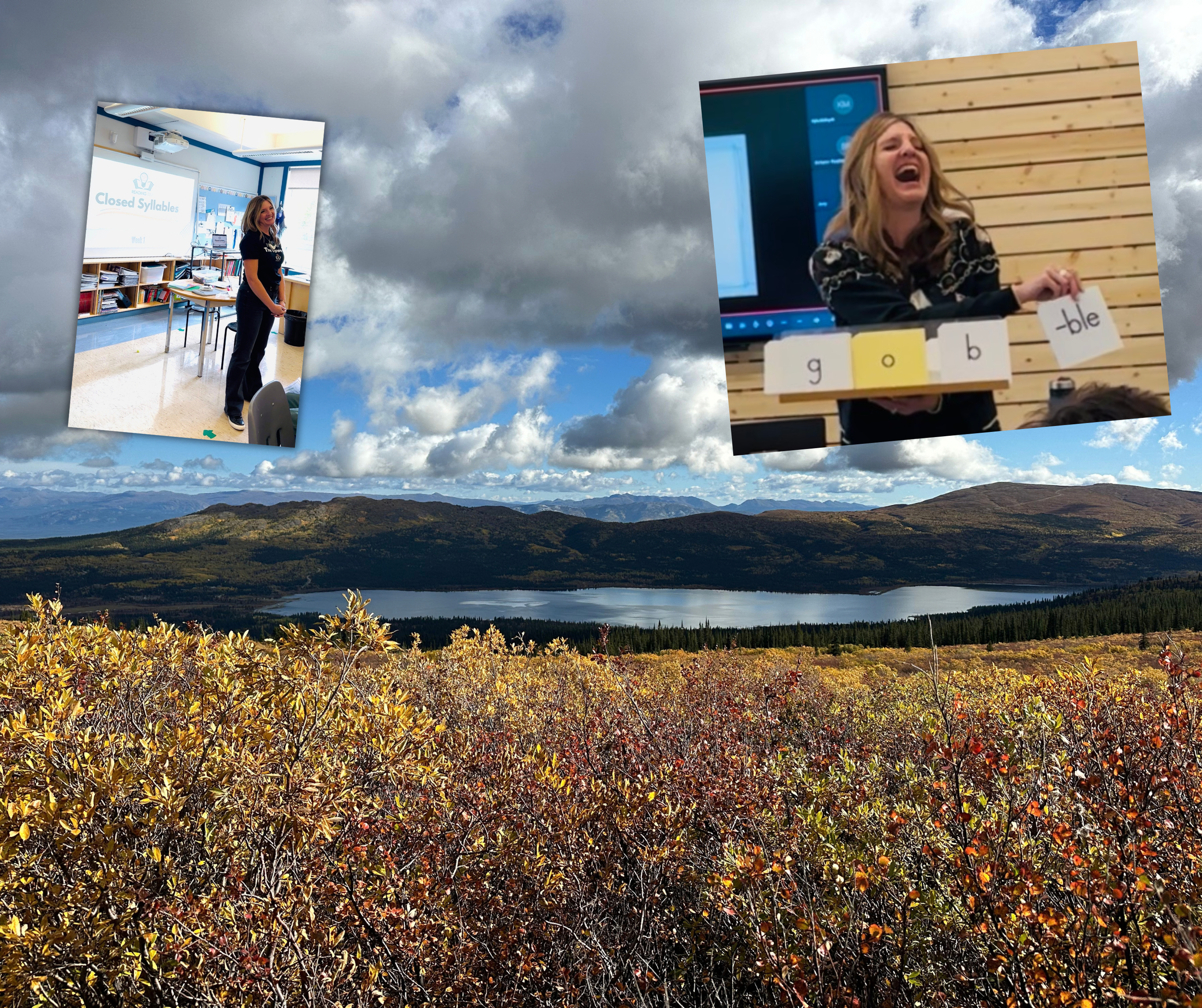
Over four days, I visited nine schools and stepped into 14 different classrooms. Instead of standing in the back of the room observing teachers, I stepped to the front and modeled lessons with their students. The teachers got to sit back, watch their students, take notes, and then spend time with me afterward talking about what we had just experienced together.
Every single classroom was different.
Different ages. Different skill levels. Different backgrounds. Different classroom cultures. Different behaviors. Different levels of confidence. Different needs.
Fourteen times, I stepped in front of someone else's students and tried to put everything I teach about structured literacy into practice.
And fourteen times, the lesson looked a little different.
There were moments when students surprised me. Moments when I realized I needed to increase engagement. Moments when I adapted my plan at the last second. There were classes that jumped right in and others that required more inspiration and support.
It was exhausting, and it was incredibly fun. It also reminded me just how complex teaching really is.
As an administrator, coach, or consultant, it is easy to talk about explicit instruction, systematic routines, frequent student response, pacing, corrective feedback, and differentiation. It is another thing entirely to make hundreds of tiny instructional decisions while standing in front of a room full of actual children.
I went to the Yukon to model structured phonics lessons in intermediate classrooms. I came home thinking about the power of modeling in general.
We Ask Teachers to Learn by Being Told
Think about the way professional development often works.
We teach educators about a new practice. We show them a presentation. Maybe they watch a video or practice with a partner. Then they return to their classrooms and try to implement it.
Eventually, administrators come in to observe.
Afterward, the teacher receives feedback about what worked, what didn't, and what they should try differently next time, but there is an important step missing from that process… seeing it done.
As educators, we understand the importance of modeling for students. We wouldn't explain a complicated new skill once, hand students an assignment, and then stand behind them taking notes about everything they're doing incorrectly.
Instead, we model. We think aloud. We demonstrate. We practice together. We provide feedback as students give it a try.
In fact, almost all teachers have learned about and implemented Anita Archer’s “I Do, We Do, You Do” gradual release model.
Yet when it comes to teacher learning, we sometimes skip the very instructional practices we know work! What if, instead of always telling teachers what effective instruction should look like, we showed them?
"But That Wouldn't Work With My Students."
There are countless videos of excellent teaching available to us. Teachers can observe colleagues, watch webinars, attend conferences, and see demonstrations during professional development.
Those experiences are valuable.
But, there is something uniquely powerful about watching someone else teach your students.
We've probably all had the thought,"Sure, that works with those students, but it would never work with mine.” Or, “It works there, but that class doesn't have the behaviors mine has!” Or, “those students already know more, or that teacher has different community expectations.” The est way to see yourself in it is when someone steps into your classroom and teaches your students. That is when barriers begin to be eliminated.
These are your students. These are the same students who struggle to recall previously taught patterns…The same student who blurts out every answer…The same child who shuts down when something feels difficult…The same personalities, skills, behaviors, classroom dynamics, and instructional minutes.
That's what made my time in the Yukon so powerful!
I wasn't demonstrating structured literacy in a controlled environment with carefully selected students. I was walking into real classrooms and figuring it out alongside the teachers. And that is what good teaching and coaching actually requires.
Modeling Isn't About Showing Someone How Good You Are
One important thing to remember is that modeling should never communicate, “Watch me. I'll show you how this is supposed to be done."
That creates an entirely different kind of professional learning environment. The message should be, “Teaching a class full of various abilities and personalities can be A LOT. Let's figure this out together.”
Sometimes the most useful part of a modeled lesson is when it doesn't go according to plan. The schedule is off and students are out of their routine, the pacing isn't working, students aren't responding, or the task is too easy or difficult.
Now the teacher gets to watch what happens next.
Do I provide another model? Change my language? Break the task into smaller pieces? Increase opportunities to respond? Stop and reteach something? Abandon or change part of the lesson? Those are the decisions that teachers make constantly, and they are often invisible.
Honestly, several moments and lessons I taught were far from perfect! The magic isn't in watching a perfect lesson. The magic is being part of a team that is vulnerable, collaborative, and reflective.
The Most Important Part May Happen After the Lesson
The modeling itself was only part of what made my Yukon experience so valuable. After each lesson, I sat down with the teachers and we just talked. We asked questions and brainstormed.
What did you notice?
What went the same or different from previous lessons?
Where did students struggle? Where do they typically struggle?
What surprised us?
What did we learn about these students or the instruction that we didn't know before?
How can we remove barriers that are getting in the way?
What should happen tomorrow?
Those conversations mattered because these conversations weren’t one-sided. There was no defensiveness or judgement. Honestly, I learned an incredible amount, too.
Teachers helped me understand their students, their communities, their school structures, and the cultural influences that shape their classrooms. They provided context I couldn't possibly have understood by simply walking through the door or having a virtual meeting. The experience reinforced something I think we sometimes forget in professional development: expertise doesn't have to flow in one direction. Every single teacher who generously welcomed me into their classroom taught me something and reminded me how truly special educators are.
Administrators and Coaches: Roll Up Your Sleeves
This experience left me thinking about how much time we spend observing teachers compared with how much time we spend modeling for them.
What if we shifted that balance?
Instead of always saying, "I'm going to come observe your literacy block."
What if instructional leaders occasionally said,"I'd like to teach part of your literacy block. You watch the students and write down some questions.”
Think about what that gives the teacher. For once, they aren't simultaneously teaching, managing behavior, monitoring understanding, watching the clock, adjusting instruction, finding materials, answering questions, and trying to remember everything they learned in professional development.
Instead, they get to observe how their own students think. They can listen to errors and observe engagement. They can see what happens when the instruction changes. And perhaps most importantly, the leader is taking a risk first. We ask teachers constantly to try new things, change established routines, be vulnerable, receive feedback, and improve their practice.
Modeling says: I'll go first.
That small shift can change everything.
We Don't Need to Wait for the "Expert"
Modeling doesn't have to come from an outside consultant, administrator, or instructional coach. Some of the greatest instructional expertise in a school is already down the hallway.
Teachers need opportunities to learn from each other.
Imagine a teacher saying to a colleague,"You're really good at getting students to explain their thinking. Would you teach part of this lesson with my class while I watch?"
Or, "My students aren't transferring this decoding strategy independently. Could you show me what you're doing?"
That's professional learning.
It doesn't require another 90 minute staff meeting or a 50-slide presentation. It requires time, trust, and a school culture where teachers are allowed to be learners.
Administrators can help create those conditions. Cover a class. Arrange a 20-minute swap. Build modeling into PLC time. Give teachers opportunities to watch one another teach… not just someone else's students, but occasionally their own.
There is tremendous expertise already inside our schools. We need to make it visible.
What 14 Classrooms Taught Me
By the end of those four days in the Yukon, I was tired. Really tired. Ask my husband; I cried a time or two this week. But, I loved every single minute of it.
Being back in classrooms reminded me of something that is easy to forget when you're standing outside of them…
Teaching is incredibly hard work.
Teachers make hundreds of decisions while simultaneously managing relationships, behavior, content, time, emotions, and learning. Schools are complex human environments. A framework can't eliminate that complexity. A curriculum can't eliminate it. A Google Slide Deck certainly can't eliminate it.
And standing in the back of a classroom with a clipboard doesn't necessarily help us understand all of it.
Those 14 classrooms gave me more insight than I could have gained from simply observing 14 lessons. I experienced the instructional challenges myself. I got things right (and wrong). I adjusted. I learned. I laughed with students. I saw incredible teachers doing hard work in very different environments, and I walked away with an even deeper respect for the people who do this work every single day.
Perhaps that's another reason leaders, coaches, and consultants need to get back in front of students occasionally. We don't just model for teachers.The classroom teaches us, too.
Go First.
So here's my call to action for administrators, instructional coaches, specialists, consultants, and teachers themselves.
Go first.
If you're asking someone to try a new instructional practice, offer to model it. If you're asking teachers to take instructional risks, take one yourself. If a teacher is struggling, don't always respond by observing harder and giving more feedback.
Sometimes, say, "How about I teach tomorrow? You watch. Then we'll talk about what we both notice." Give teachers the opportunity to step outside the constant demands of teaching long enough to actually watch learning happen. Show them what the practice can look like with their students, in their classroom, in the real world, and then sit down together and talk about what you both learned.
Because sometimes the best way to help teachers grow isn't to tell them what great teaching looks like, it's to roll up our sleeves, step into the classroom beside them, and show them.