A Targeted Literacy Assessment Framework
Effective literacy instruction begins with a clear understanding of where students are on the reading continuum. Before we teach, we must ask:
What skills should students have at this grade level?
What do they already demonstrate?
What still requires explicit, intentional instruction?
This guiding belief is at the heart of the Reading Rev & Georgia Department of Education Diagnostic Toolkit Project, a collaborative effort launched in to support educators in making informed, data-driven instructional decisions. By combining classroom expertise with state-level leadership, this partnership was designed to bridge research and practice, ensuring that assessment is not just something we do, but something that actively drives meaningful instruction.
In Kindergarten through 2nd Grade, timely and precise assessment is essential. Early reading skills develop rapidly, and small gaps can quickly grow into larger challenges if they are not identified and addressed early. When used well, assessment empowers teachers to deliver instruction that is targeted, purposeful, and responsive, rather than based on guesswork.
In Grades 3–8, assessment remains just as critical. For students who have fallen behind, effective remediation depends on accurately identifying specific areas of need. With clear, actionable data, educators can provide focused instruction that accelerates growth and moves students toward reading proficiency.
The Diagnostic Toolkits are designed to provide educators with a clear, actionable system for identifying student needs and translating assessment data into targeted instruction. Each toolkit includes a comprehensive set of tools, resources, and guidance to support data-driven decision making across all tiers of literacy instruction. Together, they offer a cohesive approach to assessment, analysis, and instructional planning across Kindergarten through 8th Grade.
Inside the Diagnostic Toolkits
Each toolkit includes:
A structured assessment system aligned to universal screening, diagnostic assessment, and progress monitoring within an MTSS framework
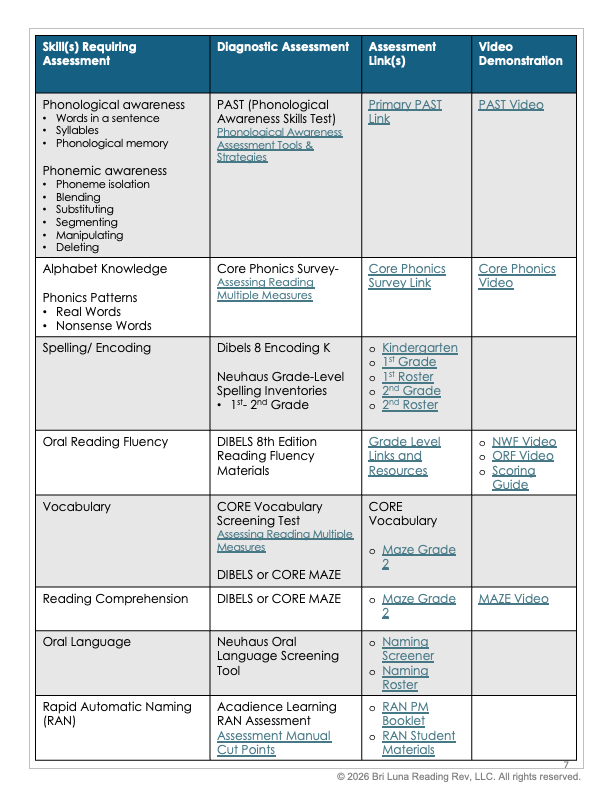
Curated diagnostic assessments across all essential components of reading, including phonological awareness, phonics/decoding, encoding (spelling), fluency, vocabulary, comprehension, and oral language
Assessment overviews, guidance, and decision-making pathways to help educators determine which assessments to give, when to give them, and why
Direct links to assessment tools and materials to streamline implementation and reduce teacher prep
Video demonstrations of assessment administration to support accuracy, consistency, and confidence
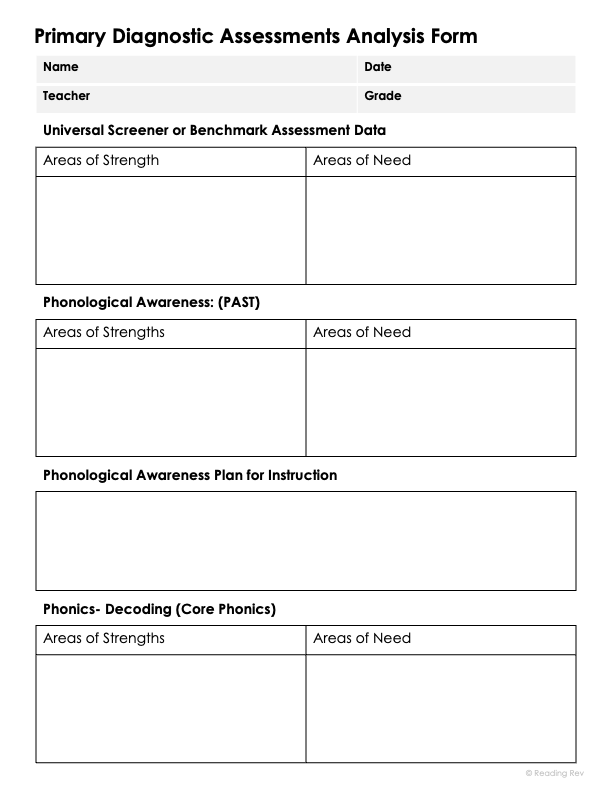
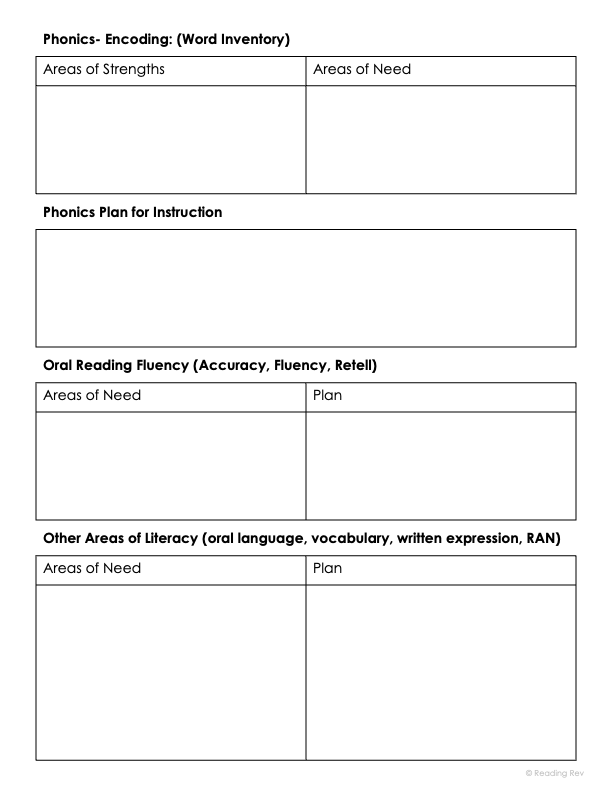
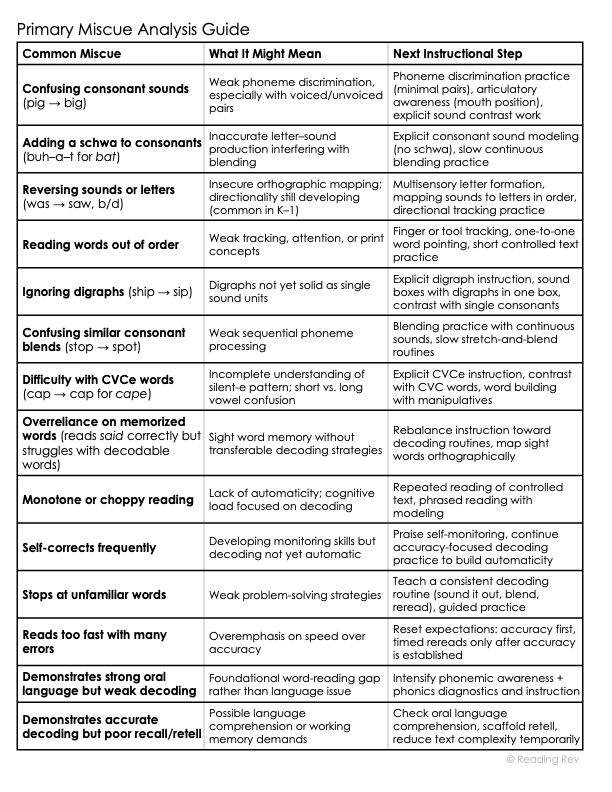
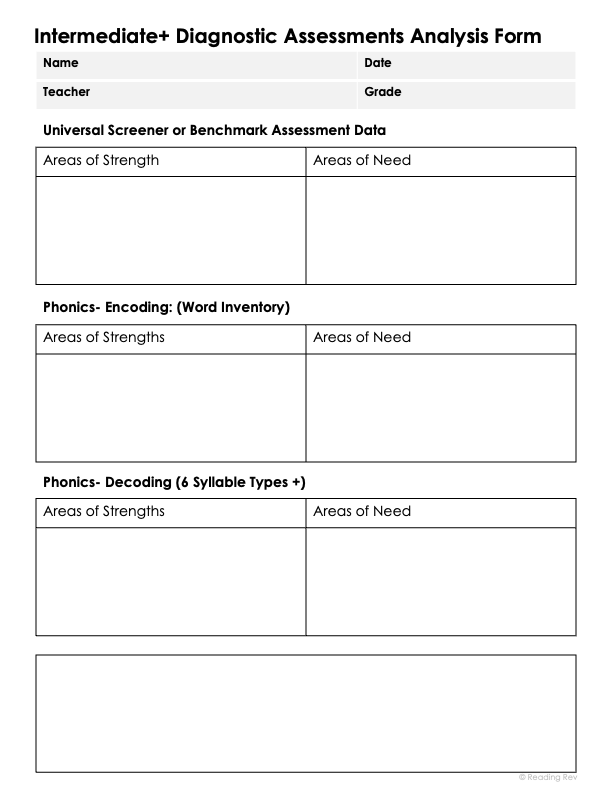
Diagnostic analysis tools and forms to help educators identify patterns of strengths and needs and determine root causes of reading difficulty
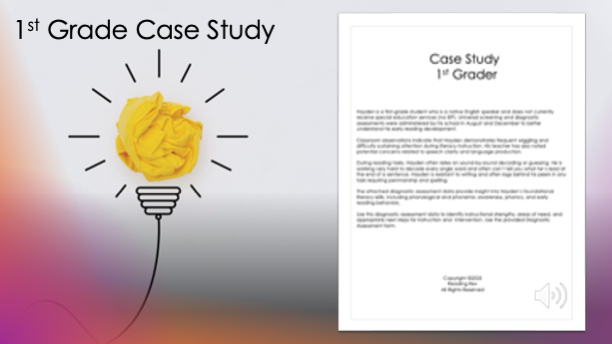
Case studies and modeling that illustrate how to move from assessment data to instructional decisions
Clear connections to evidence-based instructional practices, ensuring that assessment results directly inform targeted, explicit teaching
Recommendations for building a literacy assessment library, supporting schools in deepening their assessment and intervention systems over time
Designed for Every Stage of Reading Development
The K–2 and Grades 3–8 Diagnostic Toolkits are built on the same research-aligned framework and follow a similar assessment-to-instruction process. Both toolkits are designed to help educators move from screening to diagnostic assessment, analyze patterns of strengths and needs, and deliver targeted, evidence-based instruction. This consistency ensures that schools and teams can implement a unified approach to literacy across grade levels.
While the structure remains the same, each toolkit is developmentally aligned to reflect the needs of learners at different stages. The K–2 toolkit emphasizes early foundational skills and timely identification of potential reading difficulties, while the Grades 3–8 toolkit includes diagnostics that support deeper analysis of persistent gaps in decoding, fluency, and language comprehension. Differences primarily include the specific assessments, video demonstrations, and case studies used to model the process at each grade band.
How the Framework Works
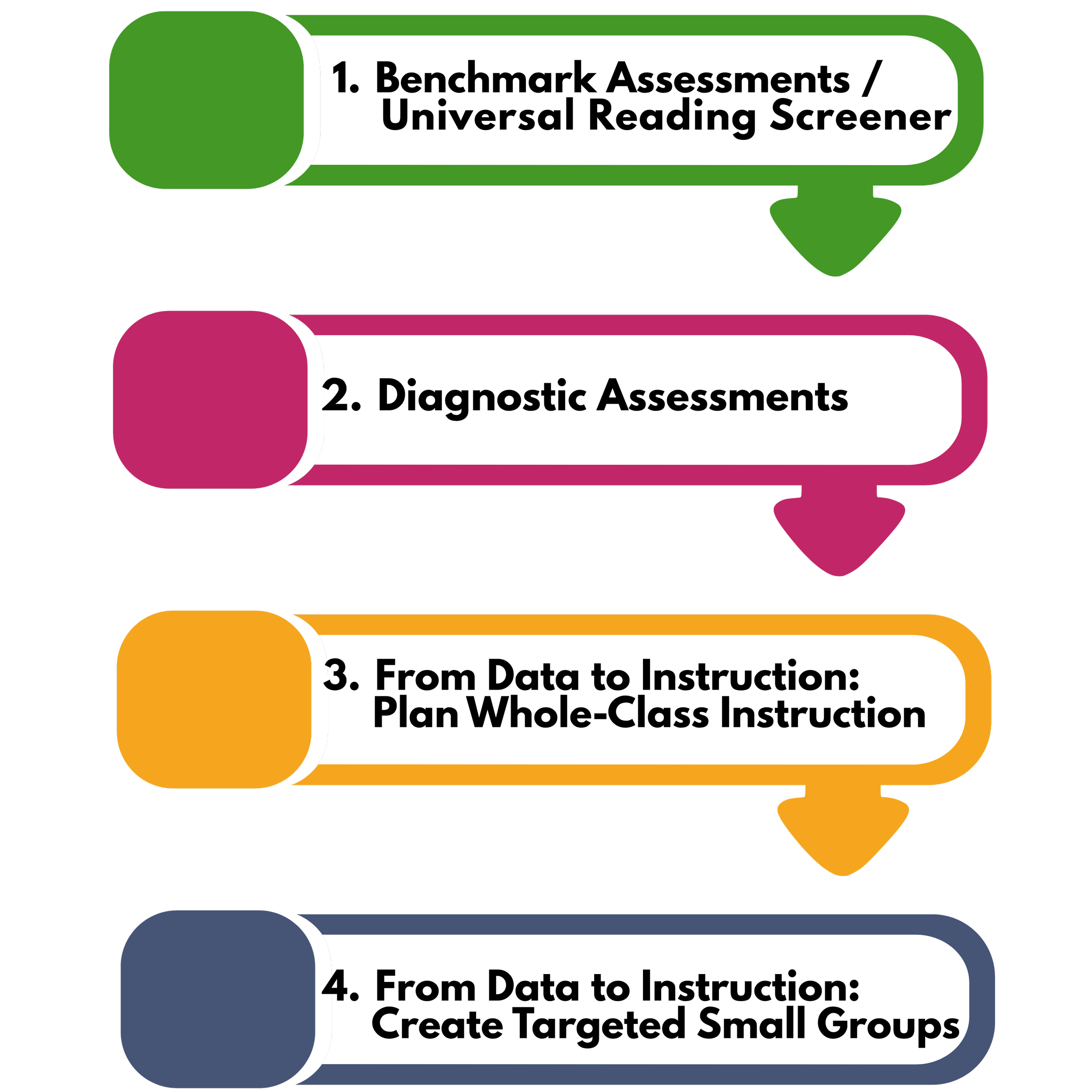
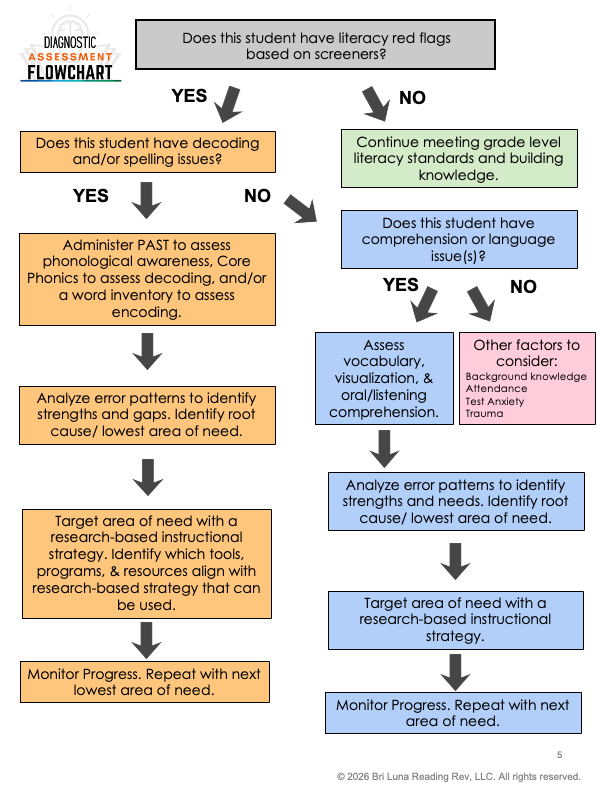
The Reading Rev and Georgia Department of Education Diagnostic Toolkits are designed to guide educators through a clear, repeatable process—from identifying students at risk to delivering targeted, effective instruction. Rather than treating assessment as a standalone task, this approach ensures that every data point leads to purposeful action.
Step 1: Screen
Universal screeners are administered to all students to identify who may be at risk for reading difficulties. This step provides a broad overview and helps determine which students may need additional diagnostic assessment.
Step 2: Drill Down with Diagnostics
Targeted diagnostic assessments are used to pinpoint specific skill gaps across the components of reading. Because no single assessment captures the full picture, multiple measures are used to build a comprehensive literacy profile.
Step 3: Analyze
Assessment results are examined to identify patterns of strengths and needs. Educators move beyond individual scores to determine the root cause of reading difficulty and prioritize the most impactful next steps for instruction.
Step 4: Instruct
Instruction is aligned directly to identified needs. Rather than relying on programs or levels, teachers deliver explicit, evidence-based instruction focused on the specific skills students need to develop.
Step 5: Monitor & Adjust
Student progress is monitored regularly to determine if instruction is effective. Based on progress monitoring data, instruction is adjusted, intensified, or continued to ensure steady growth over time.
A System That Connects Data to Instruction
This process is designed to be flexible and responsive. Not every student requires every assessment, and the process does not need to be completed all at once. As soon as clear patterns emerge, instruction begins, ensuring that time is spent where it matters most: helping students become confident, capable readers.
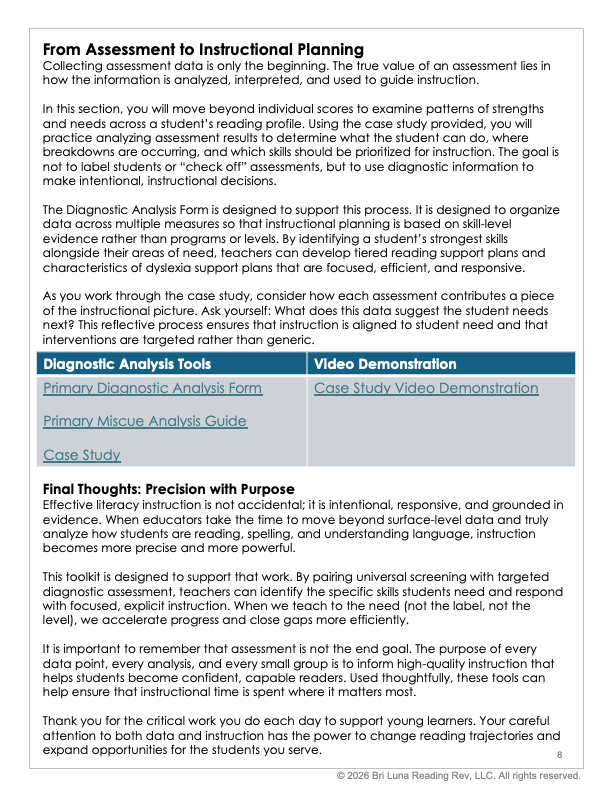
Collecting assessment data is only the beginning. The true value lies in how that information is analyzed, interpreted, and used to guide instruction.
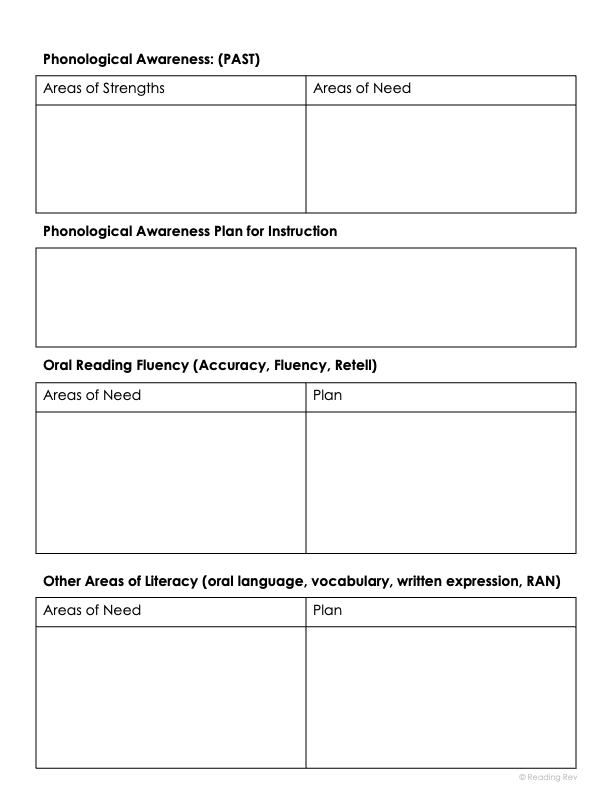
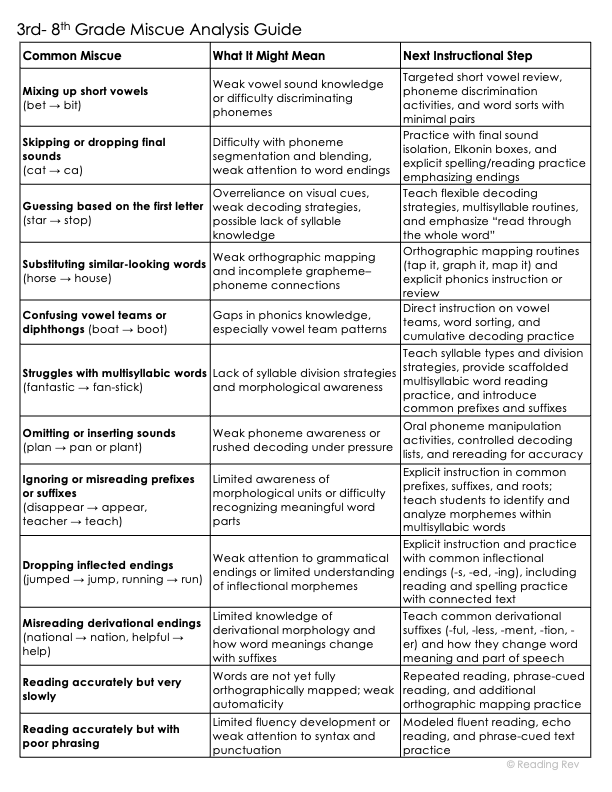
Within the toolkits, educators move beyond individual scores to examine patterns of strengths and needs across a student’s full reading profile. Through guided case studies, teachers practice analyzing real assessment data to determine what a student can do, where breakdowns are occurring, and which skills should be prioritized next. The focus is not on labeling students or “checking off” assessments, but on using diagnostic information to make clear, intentional instructional decisions.
At the center of this process is the Diagnostic Analysis Form—a practical tool designed to organize data across multiple measures and translate it into actionable next steps. By examining both strengths and areas of need, educators can develop targeted, tiered reading support plans, including plans aligned to characteristics of dyslexia, that are focused, efficient, and responsive.
What This Section Helps You Do:
Analyze assessment data across multiple literacy components
Identify root causes of reading difficulty
Prioritize the most impactful next instructional targets
Develop focused small group and intervention plans
Connect assessment results directly to evidence-based instruction
As educators work through the case studies, they are guided to think critically about each data point: What does this tell me about the student? What should I teach next? This reflective process ensures that instruction is always aligned to student need, making every minute of instruction more purposeful and effective.
From Assessment to Instructional Planning

Changing Reading Trajectories
This work is grounded in a simple but powerful belief: when educators have the right tools and clarity, they can change the trajectory of a student’s life. Aligned to Georgia’s Early Literacy and Dyslexia Act (HB 307), these toolkits support schools in moving from data collection to meaningful instructional action.
Bri Luna M. Ed., Founder of Reading Rev and Jennifer Lindstrom Ph.D., Georgia Statewide Dyslexia Coordinator, will be presenting this work at the Georgia Lit Link Conference June 8th-10th. They will be sharing how a unified, diagnostic approach can strengthen literacy outcomes across classrooms and schools.
This is more than a toolkit; it’s a shift toward intentional, responsive instruction that ensures every student has the opportunity to become a confident, capable reader.